
Pet age, life stage & everyday care
Your pet's age is more than a number.
Calculate their age in human years, understand their life stage, and explore sourced health and everyday care guides—no calculation required to start reading.
Your approximate result
Your pet is about
0human years
Life stage
Care priorities for this stage
Activity & movement
Dental & daily care
Preventive care
Everyday nutrition
Nutrition focus for this stage
Foundation
What to monitor
Nutrients worth knowing
Food and treats
Sources:
Health changes
Changes to notice and what to do
These changes can have many causes. Record what you notice and contact a veterinarian sooner if a sign is new, persistent, worsening, severe, or affecting normal activity. For severe or rapidly worsening signs, follow the emergency guidance below.
Sources:
Sourced visual examples
Visible health changes for this stage
Examples only — not a diagnosis. Different conditions can look alike.
Clinical image blurred
Skin & coat
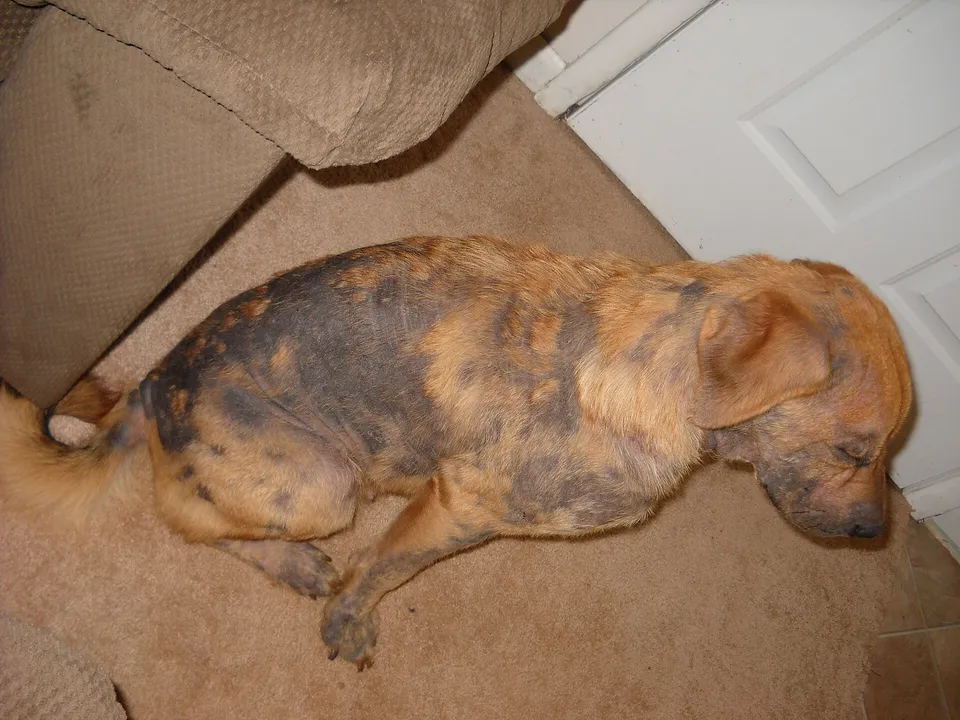
Patchy hair loss with scaling or crusting
Examples only — not a diagnosis. Different conditions can look alike.
Juvenile demodicosis is one condition a veterinarian may assess. Ringworm, infection, allergy, and other skin problems can look similar.
What you may notice
Look for a localized area of thinning hair, redness, fine scale, or crusting. Note whether it is spreading or itchy.
Why it matters at this stage
Young dogs may show localized demodicosis while the immune system is still developing, but age and appearance do not confirm the cause.
What to do
Book a veterinary visit. Photograph the area in consistent light, note itch and spread, and arrange a veterinary skin examination.
Image: Julie Knicely ·source page ·CC BY 1.0 ·Wikimedia-generated resized derivative; locally format-optimized by My Petland.

Medical sources:Merck Veterinary Manual: Mange in dogs and cats · AAHA: Canine life-stage definitions
Mouth & teeth
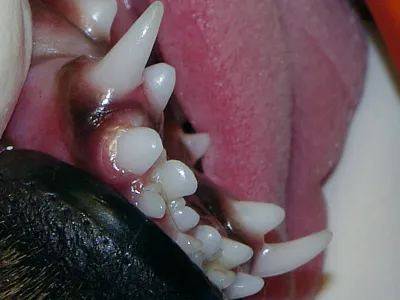
A double row of teeth or visible crowding
Examples only — not a diagnosis. Different conditions can look alike.
A retained deciduous tooth is one explanation for a smaller baby tooth remaining beside an adult tooth. A veterinary oral examination is needed to assess crowding and gum effects.
What you may notice
Look for two teeth in one position, a smaller tooth beside a larger one, food trapping, or a tooth that appears out of line.
Why it matters at this stage
Tooth replacement occurs during puppy growth, so a baby tooth that remains as the adult tooth erupts is worth checking.
What to do
Book a veterinary visit. Note which side is affected and arrange a veterinary dental examination rather than trying to loosen the tooth.
Image: Ines Ott ·source page ·CC BY-SA 4.0 ·Resized and format-optimized for display by My Petland.

Medical sources:Merck Veterinary Manual: Developmental abnormalities of mouth and dentition · AAHA: Canine life-stage definitions
Mobility & joints
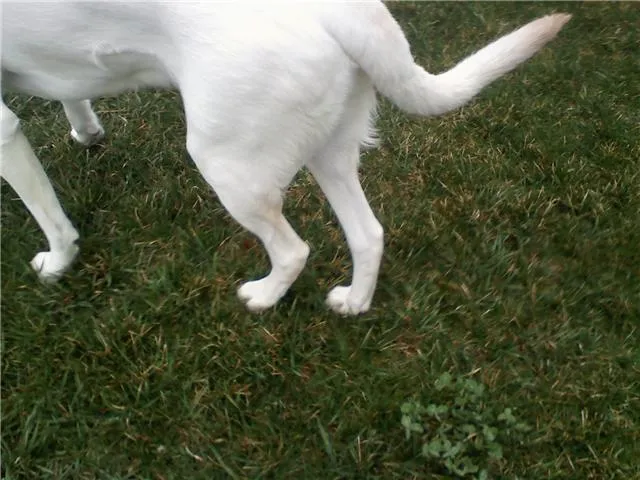
A narrow rear stance or altered gait
Examples only — not a diagnosis. Different conditions can look alike.
Hip dysplasia and other developmental, orthopedic, or neurologic problems are possible reasons for an altered gait. Movement alone cannot identify the cause.
What you may notice
Watch for bunny-hopping, rear-leg swaying, difficulty rising, reduced willingness to run or climb, or a stance with the hind feet close together.
Why it matters at this stage
During growth, a persistent altered gait deserves assessment because developmental joint conditions can affect comfort and movement.
What to do
Book a veterinary visit. Record a short video on a level surface and arrange an examination if the change persists, recurs, or appears painful.
Image: Malinaccier ·source page ·Public Domain ·Resized and format-optimized for display by My Petland.

Medical sources:Merck Veterinary Manual: Hip dysplasia in dogs
Clinical image blurred
Ears
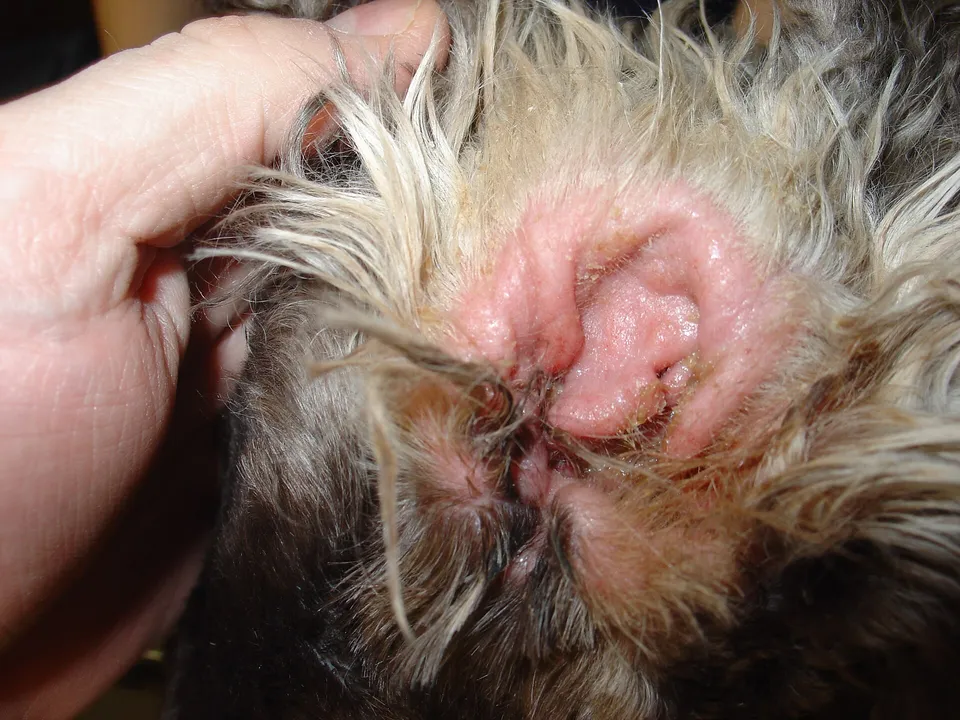
A red, swollen, or discharging ear canal
Examples only — not a diagnosis. Different conditions can look alike.
Otitis externa is one condition a veterinarian may assess. Allergy, parasites, foreign material, moisture, and other problems can produce similar changes.
What you may notice
Look for redness, swelling, odor, dark or yellow discharge, head shaking, scratching, or sensitivity when the ear is approached.
Why it matters at this stage
Routine handling and grooming in young adulthood can help reveal a new or recurring ear change before it becomes more uncomfortable.
What to do
Book a veterinary visit. Note odor, discharge, scratching, swimming, and whether one or both ears changed, then arrange an ear examination.
Image: Joel Mills ·source page ·CC BY-SA 3.0 ·Wikimedia-generated resized derivative; locally format-optimized by My Petland.

Medical sources:Merck Veterinary Manual: Otitis externa in animals
Clinical image blurred
Skin & coat
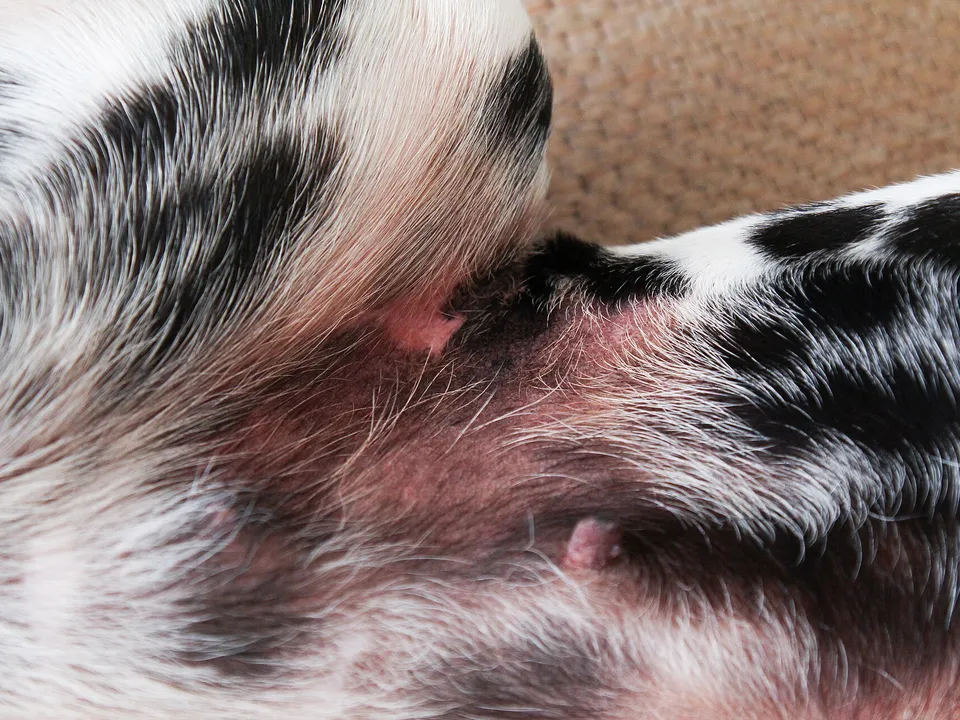
Red, itchy, or repeatedly licked skin
Examples only — not a diagnosis. Different conditions can look alike.
Canine atopic dermatitis is one possible allergic condition. Parasites, infection, contact irritation, food-related reactions, and other skin problems can look similar.
What you may notice
Look for redness, hair thinning, repeated licking or chewing, rubbing of the face, or recurring changes around the paws, ears, belly, or skin folds.
Why it matters at this stage
Allergic skin disease may first become noticeable in younger dogs, but the pattern and age do not establish a diagnosis.
What to do
Book a veterinary visit. Photograph affected areas, note itch timing and recent exposures, and arrange an examination if the change recurs or persists.
Image: Maja Dumat ·source page ·CC BY 2.0 ·Wikimedia-generated resized derivative; locally cropped and format-optimized by My Petland.
.jpg)
Medical sources:Merck Veterinary Manual: Atopic dermatitis in dogs
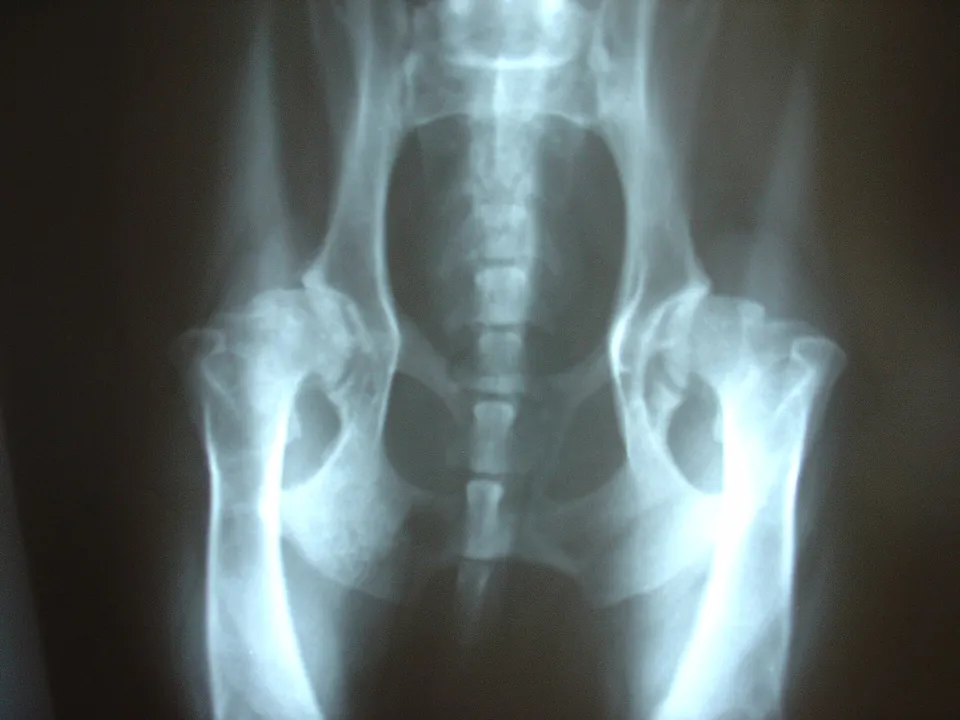
Mobility & joints
A narrow rear stance or altered gait
Examples only — not a diagnosis. Different conditions can look alike.
Hip dysplasia and other developmental, orthopedic, or neurologic problems are possible reasons for an altered gait. Movement alone cannot identify the cause.
What you may notice
Watch for bunny-hopping, rear-leg swaying, difficulty rising, reduced willingness to run or climb, or a stance with the hind feet close together.
Why it matters at this stage
As activity increases in young adulthood, recurring gait changes or reduced willingness to exercise are worth documenting and assessing.
What to do
Book a veterinary visit. Record a short video on a level surface and arrange an examination if the change persists, recurs, or appears painful.
Image: Malinaccier ·source page ·Public Domain ·Resized and format-optimized for display by My Petland.
Medical sources:Merck Veterinary Manual: Hip dysplasia in dogs
Clinical image blurred
Mouth & teeth
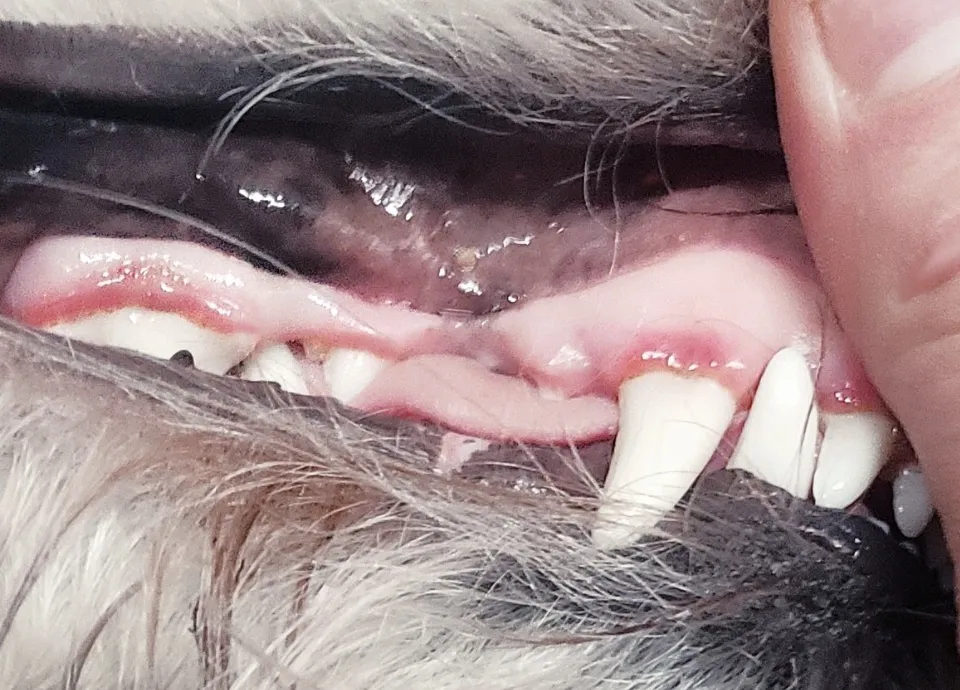
Red gums, visible plaque, or new mouth odor
Examples only — not a diagnosis. Different conditions can look alike.
Periodontal disease is one condition a veterinarian may assess. Broken teeth, oral masses, foreign material, and other mouth problems can also affect comfort or odor.
What you may notice
Look for red or bleeding gum margins, yellow-brown deposits, drooling, dropping food, chewing on one side, or reluctance to eat hard food.
Why it matters at this stage
Dental deposits and gum inflammation can accumulate through adulthood, so a visible change is worth addressing before comfort or eating worsens.
What to do
Book a veterinary visit. Record eating and chewing changes and arrange a veterinary oral examination; do not rely on appearance to judge disease depth.
Image: MarialeegRVT ·source page ·CC BY-SA 4.0 ·Cropped, resized, and format-optimized for display by My Petland.

Medical sources:Merck Veterinary Manual: Periodontal disease in small animals · AAHA: Senior care guidelines for dogs and cats
Weight & body condition
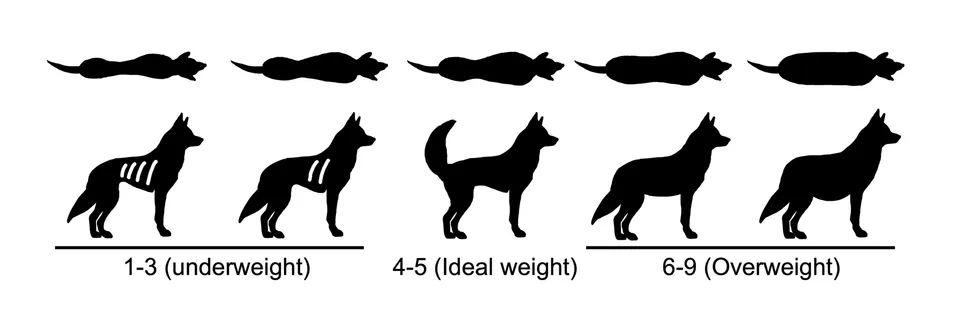
A fading waist or ribs becoming harder to feel
Examples only — not a diagnosis. Different conditions can look alike.
Excess body condition can affect mobility and overall health. A body-condition chart is a screening aid, not a diagnosis or an individualized feeding target.
What you may notice
From above, look for whether the waist is still visible. With gentle touch, note whether the ribs are easy to feel without pressing through a thick fat layer.
Why it matters at this stage
Energy needs and activity can change in mature adulthood, making a trend in waist shape or body weight useful to record.
What to do
Monitor and record. Track weight and body condition consistently and discuss a sustained change at the next veterinary visit.
Image: Connor Long, DVM ·source page ·CC BY-SA 4.0 ·Wikimedia-generated resized derivative; locally format-optimized by My Petland; full diagram preserved.

Medical sources:AAHA: Nutrition and weight management guidelines
Mobility & joints
Stiffness, slower rising, or reduced activity
Examples only — not a diagnosis. Different conditions can look alike.
Osteoarthritis is one possible cause. Injury, neurologic disease, weakness, and other orthopedic problems can produce similar movement changes.
What you may notice
Watch for stiffness after rest, hesitation on stairs, slower rising, shorter walks, reduced jumping, limping, or difficulty settling comfortably.
Why it matters at this stage
Subtle mobility changes in mature adulthood are useful to record because joint discomfort can alter activity before a constant limp appears.
What to do
Book a veterinary visit. Record when the change occurs and a short walking video, then arrange an examination if it persists, recurs, or affects normal activity.
Image: Joel Mills ·source page ·CC BY-SA 2.5 ·Wikimedia-generated resized derivative; locally format-optimized by My Petland.

Medical sources:Merck Veterinary Manual: Osteoarthritis in dogs and cats · AAHA: Senior care guidelines for dogs and cats
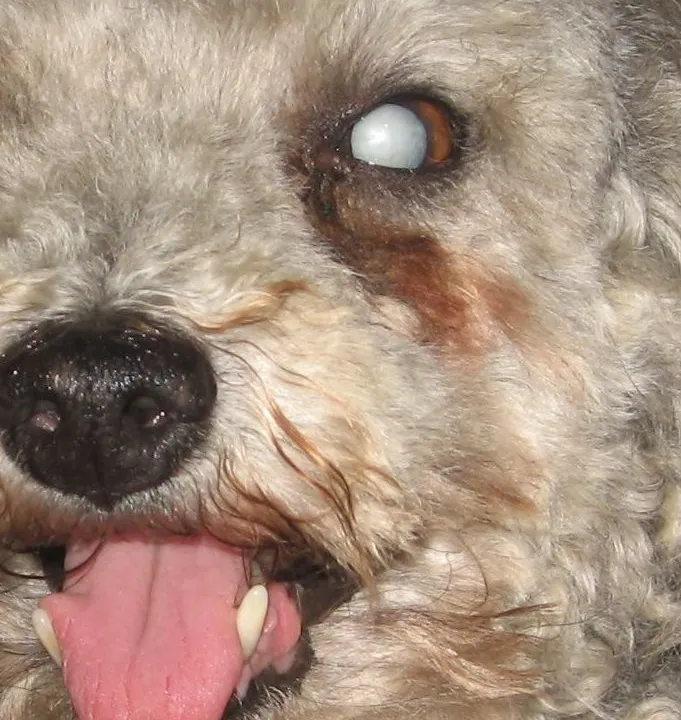
Eyes
New lens clouding or a vision change
Examples only — not a diagnosis. Different conditions can look alike.
Cataract, age-related nuclear sclerosis, inflammation, and other eye disorders can look cloudy. A veterinary eye examination is needed to distinguish them.
What you may notice
Look for new white, grey, or blue clouding, bumping into objects, hesitation in dim light, redness, squinting, discharge, or unequal pupils.
Why it matters at this stage
Eye appearance and vision can change with age, but a new or sudden change still needs assessment rather than being assumed normal.
What to do
Contact a veterinarian promptly. Note whether the change was sudden, affects one or both eyes, or includes pain or vision loss. Emergency care now is appropriate for sudden vision loss, severe eye pain, or major eye trauma.
Image: André Koehne; derivative crop by Anka Friedrich ·source page ·Public Domain ·Cropped, resized, and format-optimized for display by My Petland.

Medical sources:Merck Veterinary Manual: Disorders of the lens in dogs · AAHA: Senior care guidelines for dogs and cats
Clinical image blurred
Mouth & teeth
Red gums, visible plaque, or new mouth odor
Examples only — not a diagnosis. Different conditions can look alike.
Periodontal disease is one condition a veterinarian may assess. Broken teeth, oral masses, foreign material, and other mouth problems can also affect comfort or odor.
What you may notice
Look for red or bleeding gum margins, yellow-brown deposits, drooling, dropping food, chewing on one side, or reluctance to eat hard food.
Why it matters at this stage
Senior dogs may hide oral discomfort; new odor, chewing changes, or gum inflammation should not be dismissed as normal aging.
What to do
Book a veterinary visit. Record eating and chewing changes and arrange a veterinary oral examination; do not rely on appearance to judge disease depth.
Image: MarialeegRVT ·source page ·CC BY-SA 4.0 ·Cropped, resized, and format-optimized for display by My Petland.
Medical sources:Merck Veterinary Manual: Periodontal disease in small animals · AAHA: Senior care guidelines for dogs and cats
Mobility & joints
Stiffness, slower rising, or reduced activity
Examples only — not a diagnosis. Different conditions can look alike.
Osteoarthritis is one possible cause. Injury, neurologic disease, weakness, and other orthopedic problems can produce similar movement changes.
What you may notice
Watch for stiffness after rest, hesitation on stairs, slower rising, shorter walks, reduced jumping, limping, or difficulty settling comfortably.
Why it matters at this stage
Mobility and comfort deserve regular attention in senior dogs; reduced activity should not automatically be attributed to age.
What to do
Book a veterinary visit. Record when the change occurs and a short walking video, then arrange an examination if it persists, recurs, or affects normal activity.
Image: Joel Mills ·source page ·CC BY-SA 2.5 ·Wikimedia-generated resized derivative; locally format-optimized by My Petland.
Medical sources:Merck Veterinary Manual: Osteoarthritis in dogs and cats · AAHA: Senior care guidelines for dogs and cats
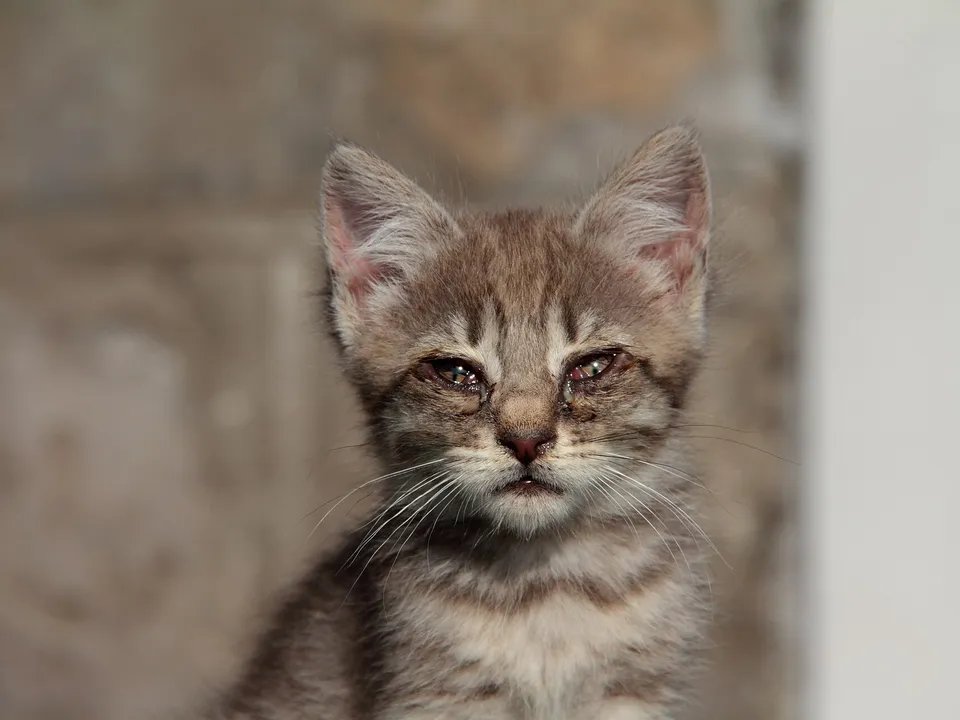
Clinical image blurred
Eyes
Eye or nose discharge in a kitten
Examples only — not a diagnosis. Different conditions can look alike.
Feline respiratory disease complex, including feline herpesvirus infection, is one possible context. Irritation and other eye or respiratory problems can look similar; the photograph does not confirm a cause.
What you may notice
Look for watery or thicker discharge, red conjunctiva, squinting, sneezing, nasal discharge, reduced appetite, or increased breathing effort.
Why it matters at this stage
Kittens can become unwell quickly when eye or respiratory signs interfere with eating, hydration, or comfortable breathing.
What to do
Contact a veterinarian promptly. Record eating, energy, sneezing, discharge, and breathing effort, then contact a veterinarian promptly if signs are new or affect normal activity. Emergency care now is appropriate for difficulty breathing or blue, grey, or very pale gums.
Image: Freddy2001 ·source page ·CC BY-SA 3.0 ·Wikimedia-generated resized derivative; locally cropped and format-optimized by My Petland.
_(01).jpg)
Medical sources:Merck Veterinary Manual: Feline respiratory disease complex · AAHA/AAFP: Feline life-stage guidelines
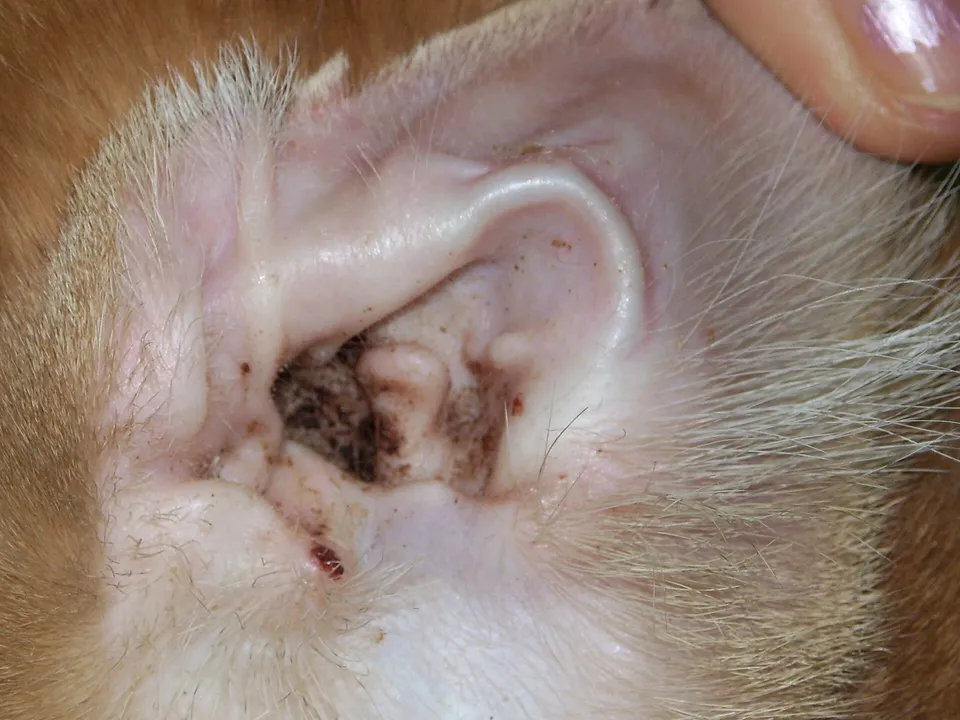
Clinical image blurred
Ears
Dark ear debris with scratching or head shaking
Examples only — not a diagnosis. Different conditions can look alike.
Ear mites are one possible cause. Infection, inflammation, allergy, polyps, and other ear problems can produce similar debris or discomfort.
What you may notice
Look for dark crumb-like debris, redness, odor, repeated scratching, head shaking, or sensitivity when the ear is approached.
Why it matters at this stage
Ear mites and other contagious ear problems are important to assess in kittens, especially when several animals share a home.
What to do
Book a veterinary visit. Note whether one or both ears changed and whether other pets are scratching, then arrange an ear examination.
Image: Uwe Gille ·source page ·CC BY-SA 3.0 ·Wikimedia-generated resized derivative; locally cropped and format-optimized by My Petland.

Medical sources:Merck Veterinary Manual: Mite infestation of cats · AAHA/AAFP: Feline life-stage guidelines
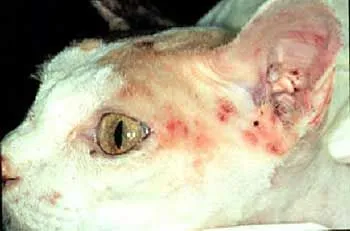
Clinical image blurred
Skin & coat
Patchy hair loss, broken hairs, or scaling
Examples only — not a diagnosis. Different conditions can look alike.
Dermatophytosis, commonly called ringworm, is one possible cause. Parasites, allergy, grooming trauma, and other skin disorders can look similar.
What you may notice
Look for circular or irregular hair loss, short broken hairs, scale, crusting, redness, or similar changes in another pet or person.
Why it matters at this stage
Kittens are a group in which ringworm is commonly considered, but appearance alone cannot distinguish it from other skin problems.
What to do
Book a veterinary visit. Photograph the area, limit sharing of grooming items, note other affected household members, and arrange a veterinary skin examination.
Image: Caroldermoid ·source page ·CC BY-SA 3.0 ·Cropped, resized, and format-optimized for display by My Petland.

Medical sources:Merck Veterinary Manual: Dermatophytosis in dogs and cats · AAHA/AAFP: Feline life-stage guidelines
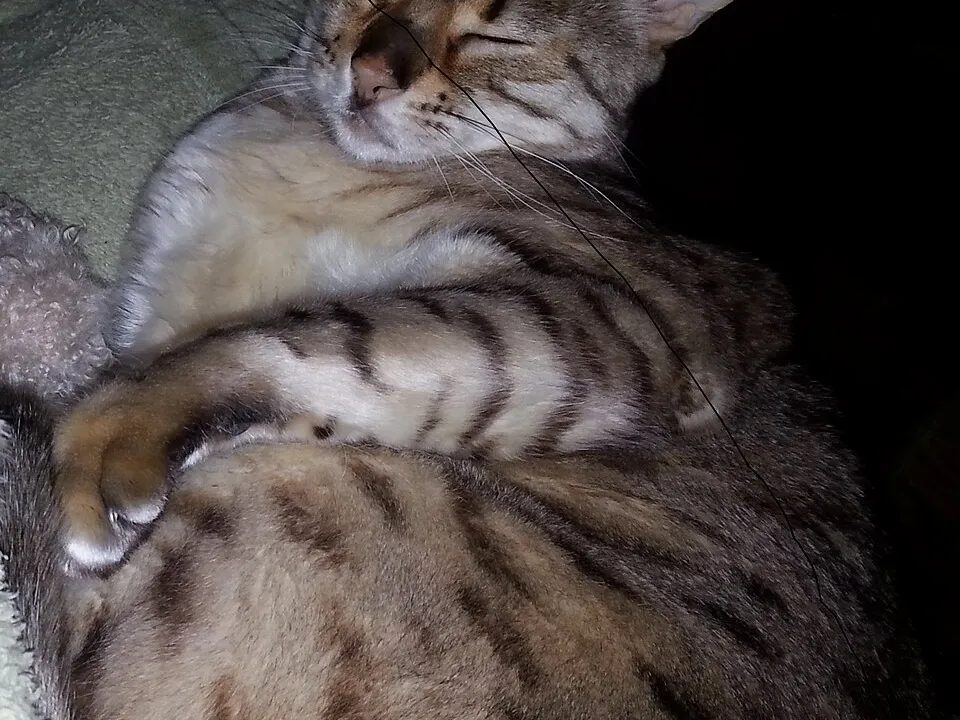
Weight & body condition
A rounder outline with less waist definition
Examples only — not a diagnosis. Different conditions can look alike.
Excess body condition can affect mobility and health. A photograph cannot replace hands-on body-condition scoring or an individualized nutrition assessment.
What you may notice
From above and the side, look for reduced waist definition and a rounder abdomen. With gentle touch, note whether the ribs are harder to feel.
Why it matters at this stage
After growth slows, portions and activity may no longer match energy needs, so a gradual body-shape trend is useful to record.
What to do
Monitor and record. Track weight and body condition consistently and discuss a sustained trend with the veterinary team.
Image: Merielle213 ·source page ·CC BY-SA 3.0 ·Wikimedia-generated resized derivative; locally cropped and format-optimized by My Petland.

Medical sources:AAHA: Nutrition and weight management guidelines · AAHA/AAFP: Feline life-stage guidelines
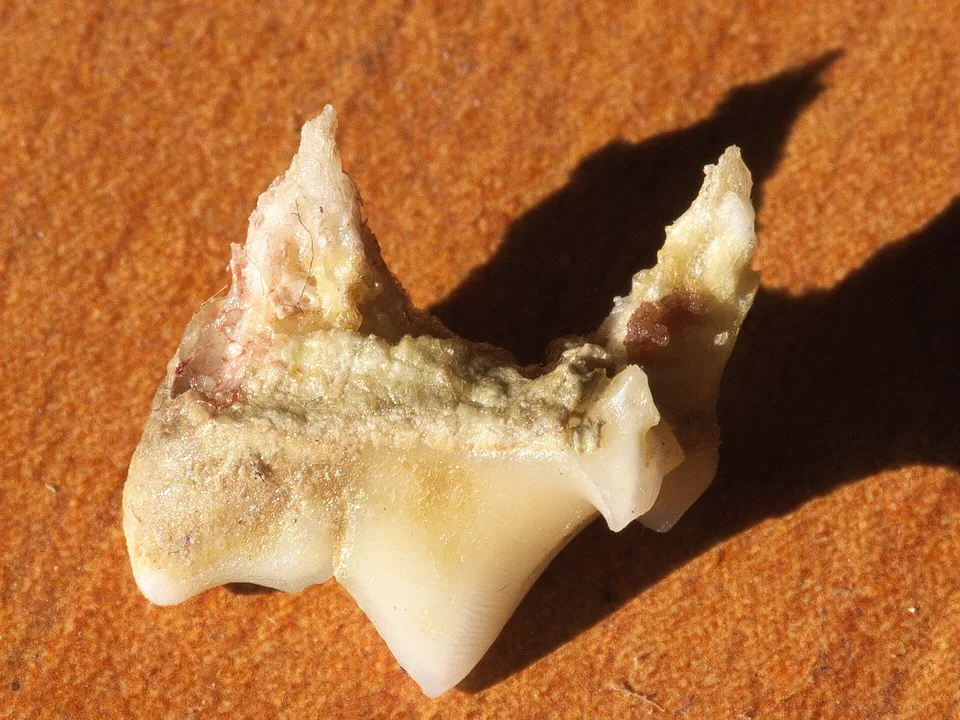
Clinical image blurred
Mouth & teeth
Localized gum redness or eating discomfort
Examples only — not a diagnosis. Different conditions can look alike.
Tooth resorption, periodontal disease, broken teeth, inflammation, and other oral problems can cause similar visible changes or discomfort.
What you may notice
Look for a red gum margin near one tooth, drooling, dropping food, chewing on one side, jaw chattering, pawing at the mouth, or reluctance to eat.
Why it matters at this stage
Oral discomfort can begin before obvious appetite loss, so a localized gum or eating change is worth documenting in young adult cats.
What to do
Book a veterinary visit. Record eating and chewing changes and arrange a veterinary oral examination; do not probe a painful area at home.
Image: Stef ·source page ·CC BY-SA 4.0 ·Wikimedia-generated resized derivative; locally cropped and format-optimized by My Petland.

Medical sources:Merck Veterinary Manual: Tooth resorption in small animals · Merck Veterinary Manual: Periodontal disease in small animals
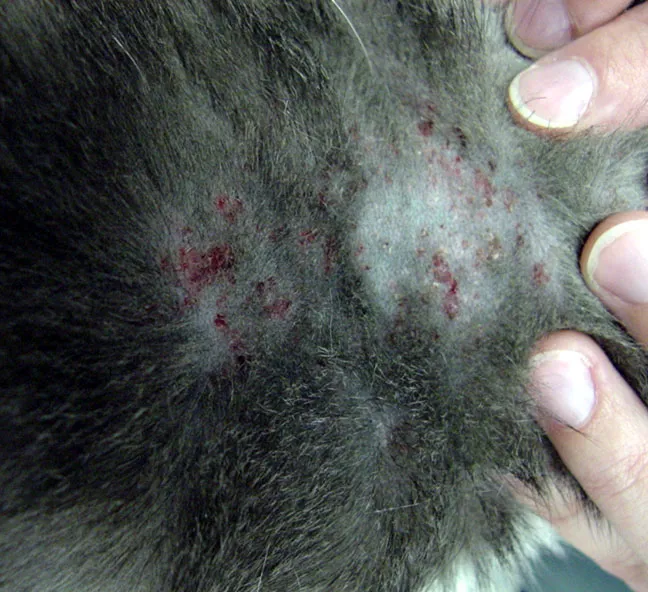
Clinical image blurred
Skin & coat
Small crusts, itching, or over-grooming
Examples only — not a diagnosis. Different conditions can look alike.
Feline atopic skin syndrome and flea allergy are possible allergic contexts. Parasites, infection, pain, stress-related grooming, and other problems can look similar.
What you may notice
Look for small crusted bumps, broken hair, redness, scratching, licking, or thinning hair along the neck, back, abdomen, or inner legs.
Why it matters at this stage
Recurring itch or over-grooming in young adulthood is worth assessing because several skin and behavioral causes can share the same outward pattern.
What to do
Book a veterinary visit. Photograph the distribution, note itch and grooming frequency, and arrange an examination if the change persists or recurs.
Image: Caroldermoid ·source page ·CC BY-SA 3.0 ·Cropped, resized, and format-optimized for display by My Petland.
.jpg)
Medical sources:Merck Veterinary Manual: Feline atopic skin syndrome
Clinical image blurred
Mouth & teeth
Localized gum redness or eating discomfort
Examples only — not a diagnosis. Different conditions can look alike.
Tooth resorption, periodontal disease, broken teeth, inflammation, and other oral problems can cause similar visible changes or discomfort.
What you may notice
Look for a red gum margin near one tooth, drooling, dropping food, chewing on one side, jaw chattering, pawing at the mouth, or reluctance to eat.
Why it matters at this stage
Tooth resorption and other dental problems become important differentials in mature cats, but the mouth must be examined to identify the cause.
What to do
Book a veterinary visit. Record eating and chewing changes and arrange a veterinary oral examination; do not probe a painful area at home.
Image: Stef ·source page ·CC BY-SA 4.0 ·Wikimedia-generated resized derivative; locally cropped and format-optimized by My Petland.
Medical sources:Merck Veterinary Manual: Tooth resorption in small animals · Merck Veterinary Manual: Periodontal disease in small animals
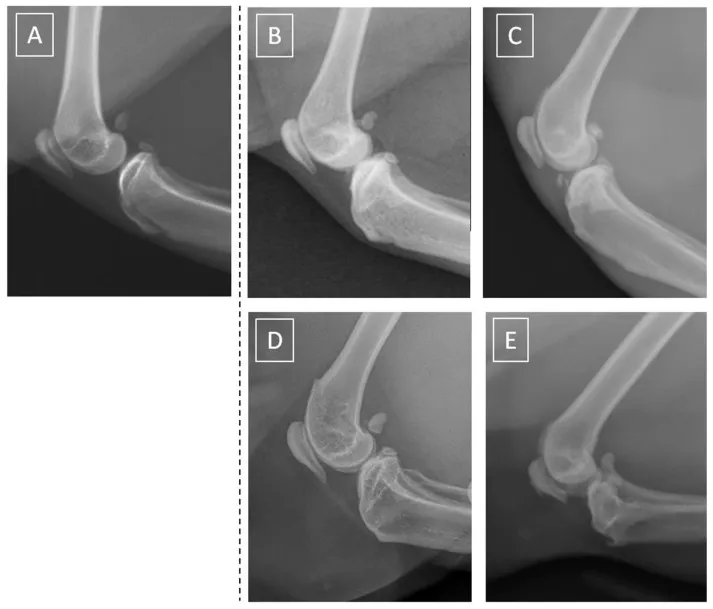
Mobility & joints
Reduced jumping, stiffness, or stair hesitation
Examples only — not a diagnosis. Different conditions can look alike.
Degenerative joint disease and osteoarthritis are possible causes. Injury, weakness, neurologic disease, and other problems can produce similar behavior.
What you may notice
Watch for lower jumps, hesitation before stairs, stiffness after rest, difficulty grooming the back, irritability when handled, or changes in litter-box access.
Why it matters at this stage
Cats may adapt their routine instead of showing an obvious limp, so reduced jumping or grooming can be an early practical clue in mature adulthood.
What to do
Book a veterinary visit. Record changes in jumping, stairs, grooming, and litter-box use, and arrange an examination if they persist or affect normal activity.
Image: Joanna Bonecka, Michał Skibniewski, Paweł Zep, and Małgorzata Domino ·source page ·CC BY 4.0 ·Resized and format-optimized for display by My Petland; full diagram preserved.
Medical sources:Bonecka et al. 2023: Knee joint osteoarthritis in overweight cats · Merck Veterinary Manual: Osteoarthritis in dogs and cats
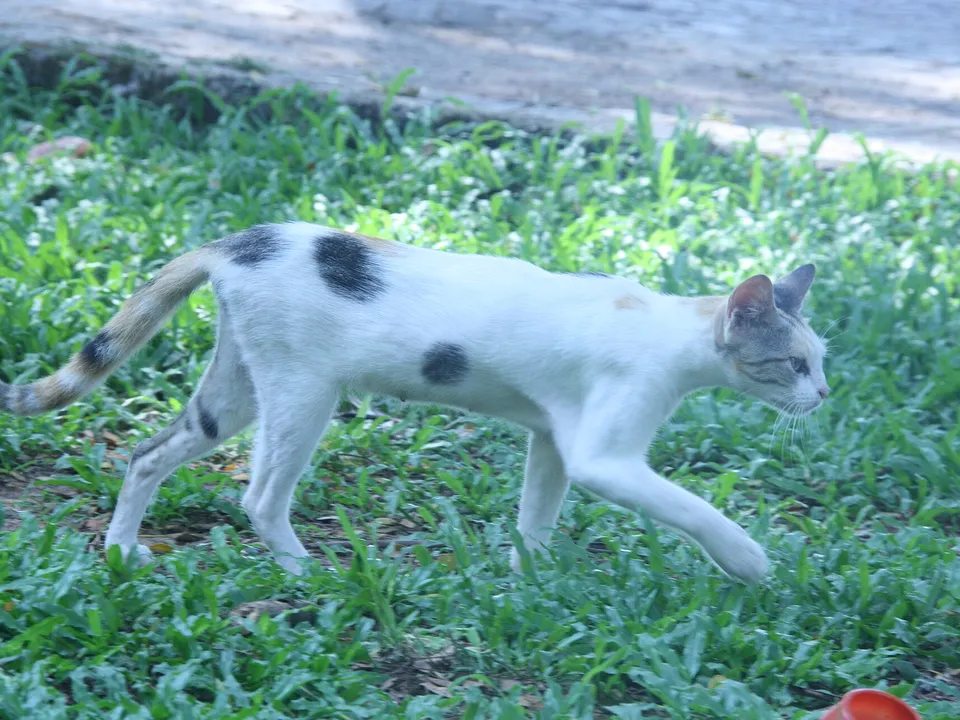
Weight & body condition
Visible weight or muscle loss
Examples only — not a diagnosis. Different conditions can look alike.
Weight or muscle loss can occur with inadequate intake, dental, digestive, kidney, endocrine, inflammatory, and other health problems. Appearance cannot identify the cause.
What you may notice
Look for a more prominent spine or hips, reduced muscle over the back or hind legs, a looser collar, reduced appetite, or a downward weight trend.
Why it matters at this stage
An unplanned downward trend in weight or muscle during mature adulthood deserves investigation rather than being treated as a cosmetic change.
What to do
Book a veterinary visit. Record recent weights, appetite, portions, vomiting, stool, thirst, and urination, then arrange an examination for an unexplained trend.
Image: Manucherian ·source page ·CC BY-SA 4.0 ·Wikimedia-generated resized derivative; locally cropped and format-optimized by My Petland.

Medical sources:Longitudinal study: Body and muscle condition in ageing pet cats · AAHA: Senior care guidelines for dogs and cats
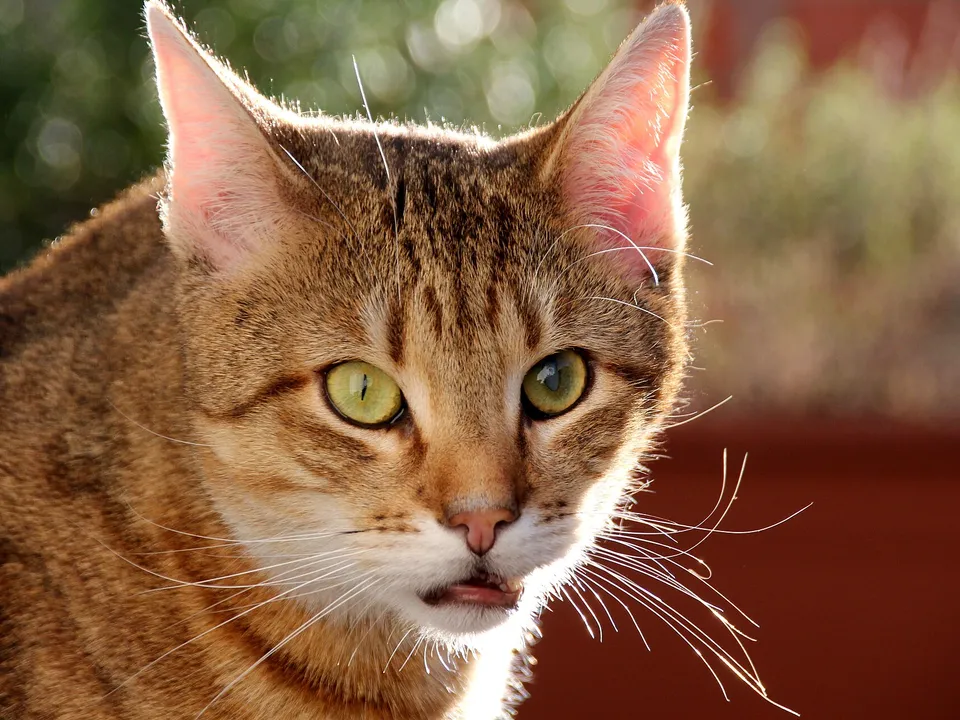
Eyes
New eye clouding, pupil change, or vision difficulty
Examples only — not a diagnosis. Different conditions can look alike.
Cataract, inflammation, retinal disease, glaucoma, hypertension-related eye damage, and other eye disorders can alter appearance or vision. An examination is needed to distinguish them.
What you may notice
Look for new clouding, unequal or persistently enlarged pupils, redness, squinting, bumping into objects, hesitation in dim light, or sudden disorientation.
Why it matters at this stage
Eye and blood-pressure-related disease becomes an important consideration in senior cats, but a new or sudden change is not a normal-aging diagnosis.
What to do
Contact a veterinarian promptly. Note whether the change was sudden, affects one or both eyes, or includes pain or vision loss. Emergency care now is appropriate for sudden vision loss, severe eye pain, or major eye trauma.
Image: Sven Volkens ·source page ·CC BY-SA 4.0 ·Wikimedia-generated resized derivative; locally cropped and format-optimized by My Petland.

Medical sources:Merck Veterinary Manual: Disorders of the lens in cats · ISFM: Hypertension in cats consensus guidelines · AAHA: Senior care guidelines for dogs and cats
Mobility & joints
Reduced jumping, stiffness, or stair hesitation
Examples only — not a diagnosis. Different conditions can look alike.
Degenerative joint disease and osteoarthritis are possible causes. Injury, weakness, neurologic disease, and other problems can produce similar behavior.
What you may notice
Watch for lower jumps, hesitation before stairs, stiffness after rest, difficulty grooming the back, irritability when handled, or changes in litter-box access.
Why it matters at this stage
Mobility and access deserve regular attention in senior cats; reduced activity should not automatically be attributed to age.
What to do
Book a veterinary visit. Record changes in jumping, stairs, grooming, and litter-box use, and arrange an examination if they persist or affect normal activity.
Image: Joanna Bonecka, Michał Skibniewski, Paweł Zep, and Małgorzata Domino ·source page ·CC BY 4.0 ·Resized and format-optimized for display by My Petland; full diagram preserved.
Medical sources:Bonecka et al. 2023: Knee joint osteoarthritis in overweight cats · Merck Veterinary Manual: Osteoarthritis in dogs and cats
Weight & body condition
Visible weight or muscle loss
Examples only — not a diagnosis. Different conditions can look alike.
Weight or muscle loss can occur with inadequate intake, dental, digestive, kidney, endocrine, inflammatory, and other health problems. Appearance cannot identify the cause.
What you may notice
Look for a more prominent spine or hips, reduced muscle over the back or hind legs, a looser collar, reduced appetite, or a downward weight trend.
Why it matters at this stage
Senior cats can lose muscle even when body weight changes only slightly, so repeated weights and body observations are more useful than one photograph.
What to do
Book a veterinary visit. Record recent weights, appetite, portions, vomiting, stool, thirst, and urination, then arrange an examination for an unexplained trend.
Image: Manucherian ·source page ·CC BY-SA 4.0 ·Wikimedia-generated resized derivative; locally cropped and format-optimized by My Petland.
Medical sources:Longitudinal study: Body and muscle condition in ageing pet cats · AAHA: Senior care guidelines for dogs and cats
Discuss with your veterinarian
This is general education, not a diagnosis or treatment plan. See the method and sources.
Explore My Petland
Age tools, life-stage care, and practical guides.
Start with the calculator, or browse care content for the stage and questions you have now.
Age tools
Estimate dog or cat age with clear, approximate comparisons.
Life-stage care
See how everyday care and observation change from puppy or kitten years through senior life.
Health & everyday care
Browse sourced checklists and guidance for daily care, visible changes, and veterinary conversations.
Quick and private
How it works
Choose dog or cat
The two species mature on different timelines.
Add age and size
Enter whole years and months. For dogs, choose expected adult size.
See age and care
Get an approximate human-age comparison, life stage, and practical care topics.
Care changes over time
Life stage matters more than a single number.
A human-age estimate is a familiar comparison. Life stage helps organize everyday observation and veterinary conversations.
Dog stages
- Puppy
- Young Adult
- Mature Adult
- Senior
Cat stages
- Kitten
- Young Adult
- Mature Adult
- Senior
A better comparison
Why not multiply by seven?
Dogs and cats mature quickly early in life. Later, adult size makes a growing difference for dogs, so one fixed multiplier misses the shape of aging.
Why the seven-year rule falls short →Transparent by design
Clear methods, practical limits.
Approximate, not clinical
Every human-age result is a broad analogy, never a diagnosis or biological-age test.
Sources you can inspect
Age tables and stage boundaries link to veterinary organizations and published research.
No advertising at launch
The calculator is free, local to your browser, and not surrounded by product promotion.
Keep learning
Browse care by what you need.
Explore age and life-stage explainers, everyday-care checklists, and guidance for health changes.
See all care guides →